HOME
Case Study

A Collaboration Model for Creators and Investigative Media

In a fragmented media ecosystem, newsrooms and independent creators need to collaborate more — not less. This is a model for what those collaborations can look like.

March 2026 With Ahmer Khan & The New Humanitarian

This is how I piloted a collaboration model with The New Humanitarian on a multimedia investigation into Assam's eviction campaign.

The Premise

Design is a trust signal. Readers judge credibility from visual quality before they read a word — Cairo, Tufte, and Diehm converge on this. A well-designed investigation reaches people who'd never open a 5,000-word report.

That accessibility matters for syndication. Editors want to republish work that performs — work their audience will actually engage with. Visual production makes investigations more shareable, more readable, more likely to drive traffic. That makes it more interesting for partners to collaborate in the first place.

That was the hypothesis. Buried Signals would bring visual production, AI-powered investigation tools, and video distribution. A publishing partner would bring editorial depth, field reporting, and their audience. Together, the outputs would be stronger than either could produce alone — and reach further.

THE COLLABORATION MODEL

Editorial & Research

The New Humanitarian

  • Story leads & editorial depth
  • Established audience
  • Field reporting network
  • Distribution (web, newsletter)
co-publish / syndicate

Visuals & AI

Buried Signals

  • Visual production & design
  • AI-powered investigation pipeline
  • Video & scrollytelling
  • Distribution (YouTube, TikTok, Instagram)

PUBLISHED OUTPUTS

The New Humanitarian

Interactive article with visuals

Buried Signals

10-min documentary + 3 shorts

Sources companion

Shared

Evictions database

Graphics package for syndication

It's a model that could work for any creator with production skills and any newsroom with investigative depth — a way to multiply reach without duplicating effort.

The New Humanitarian were the first to test this with me. Here's what we built.

What The New Humanitarian Published

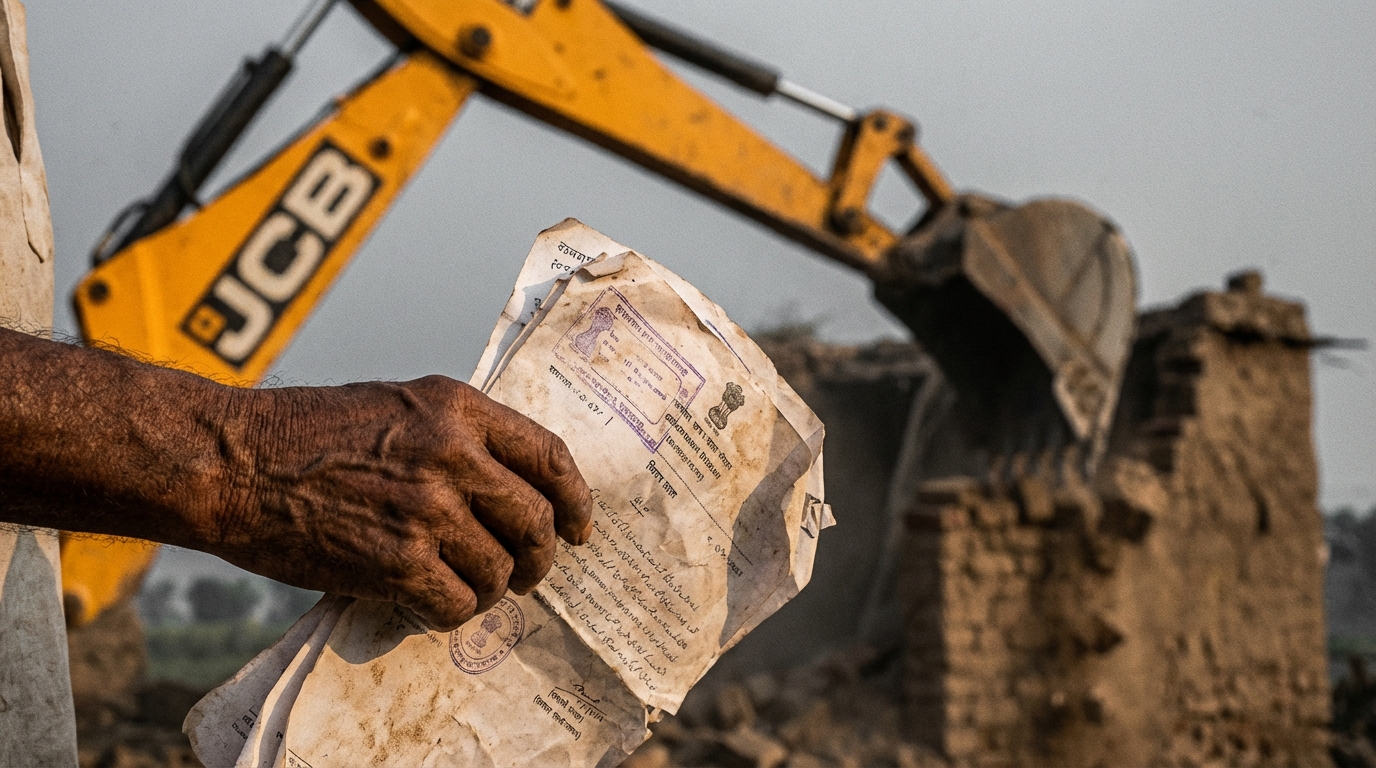
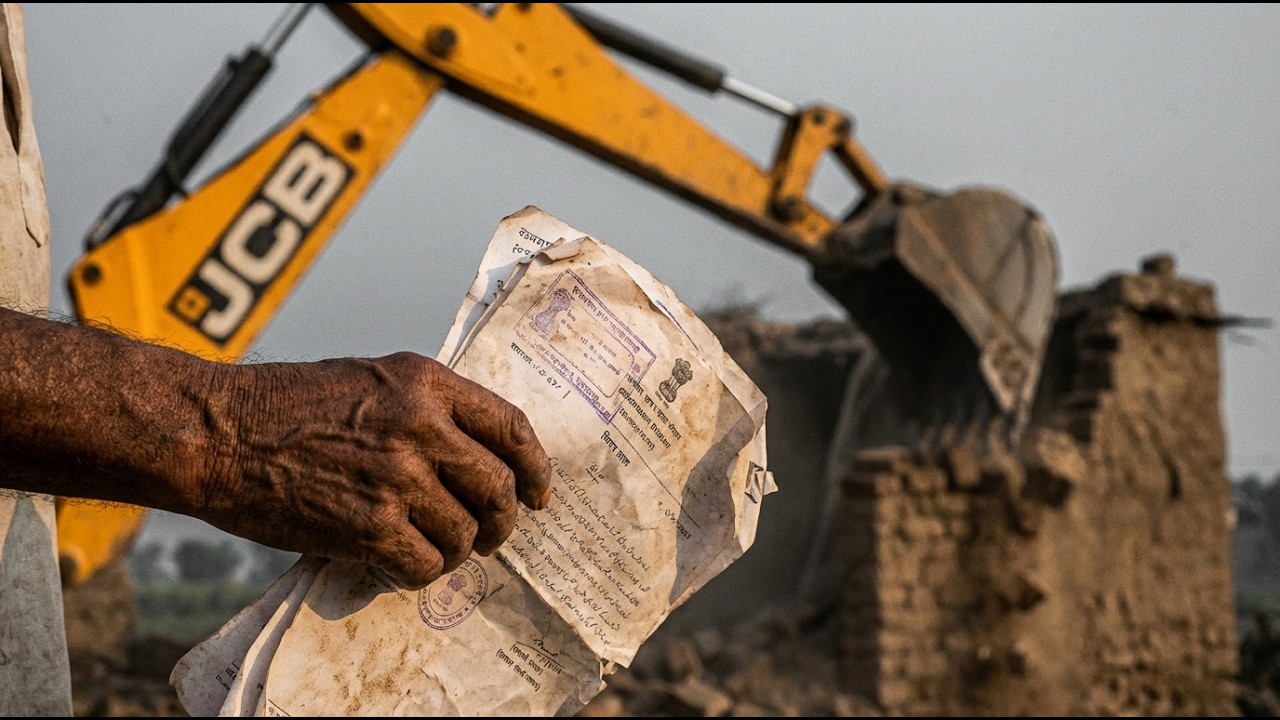
TNH published Cleared as a longform scrollytelling piece — field photography, satellite imagery, an eviction database, and testimony from families across 20 demolished villages. Here's a section from that piece.

Read the full article on The New Humanitarian →

What Buried Signals Published

Video adds a second distribution axis. A documentary that lives on both partners' channels via YouTube collaboration. Shorts that go out on TikTok, Instagram, YouTube — reaching people who watch but don't read, who follow one partner but not the other.

I published a 10-minute documentary on YouTube. Same investigation, told as a video essay. Cross-posted to TNH's channel via YouTube collaboration — it appears on both and pulls from both audiences. Three shorts cut from the doc went out on TikTok, Instagram, and YouTube.

Cleared — Buried Signals

The Data

I used Spotlight, a reporting plugin I built for Claude's marketplace, to collect and structure the eviction data. It pulled from court filings, news reports, and government statements across 33 documented operations — then cross-referenced displacement figures against multiple sources.

The result is an open evictions database and a full transparency companion with methodology, AI disclosure, and downloadable data.

Spotlight on the Claude Marketplace →

Syndication & Credits

Cleared was picked up by syndication partners. Each received a graphics package to build visuals from the investigation's data and imagery.

Investigation — Ahmer Khan & Tom Vaillant

Visual production — Buried Signals

Published by — The New Humanitarian

This investigation was made possible by a grant from the Innovationsfonds für multimedialen Journalismus.